Proudly serving Tucson, Oro Valley, Marana, Sahuarita, Green Valley, Vail & surrounding areasCall or Text 24/7: +1 (520) 567-5263

Emergency Towing in Vail, AZ for I-10 Breakdowns & Roadside Recovery

Tucson Towing Co. provides emergency towing, roadside assistance, and flatbed towing throughout Vail, Arizona. Our fleet also handles motorcycle, light-duty, medium-duty, and heavy-duty vehicles. Accident recovery, long-distance transport, and car lockout or jump-start service are available for drivers who need the right response for their situation. We serve breakdown and recovery calls on I-10, Colossal Cave Road, Marsh Station Road, and other supported roads across the Vail area.

High-desert grades, long stretches between exits, open-range crossings, and rural access roads can make a Vail breakdown harder to reach than a stop on a city street. Monsoon runoff can soften wash crossings, while summer heat adds strain to batteries, belts, cooling systems, and transmissions. Dispatch starts with your exact location, vehicle type, and situation so the truck and equipment fit the call. You receive a realistic arrival estimate and a clear explanation of the tow before transport begins.

Call with the nearest cross street, mile marker, or recognizable landmark, plus the vehicle type and visible problem. We will determine whether roadside assistance, a wheel-lift, a flatbed, or heavier recovery equipment is the appropriate response.

★ ★ ★ ★ ★4.9/5 Average Rating - 20+ Years of Experience - Vail Towing Company Specialists - Residential & Commercial
Vail Towing Services

Towing and Roadside Help in Vail, AZ

The right service depends on the vehicle, drivetrain, road surface, damage, and destination. Options range from an on-scene jump start or tire change to flatbed transport, heavy-duty towing, and controlled accident recovery. Drivers comparing coverage elsewhere in the Tucson area can also review towing information for Catalina Foothills, AZ .

Emergency Towing

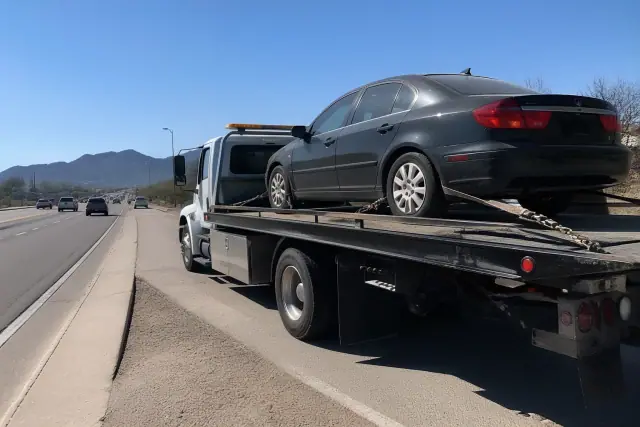
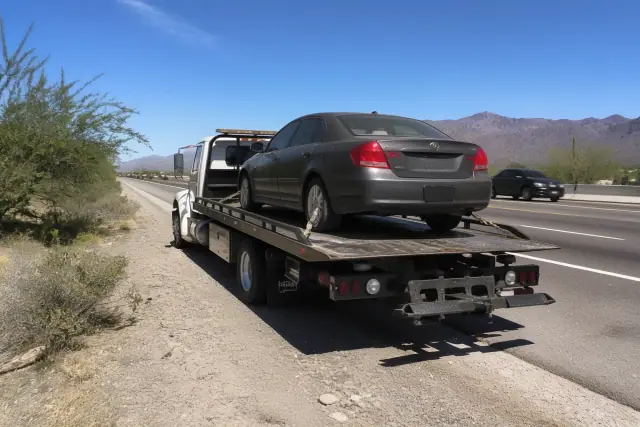
Flatbed tow truck carrying a disabled sedan on the side of a busy road in Vail, AZ with desert mountains in the background.

Emergency dispatch is available 24/7 for breakdowns, accidents, and vehicles that cannot be moved safely. Calls at 2 a.m., on weekends, or during holidays are matched to the caller's location and vehicle type so the appropriate truck responds.

Explore Service

Roadside Assistance

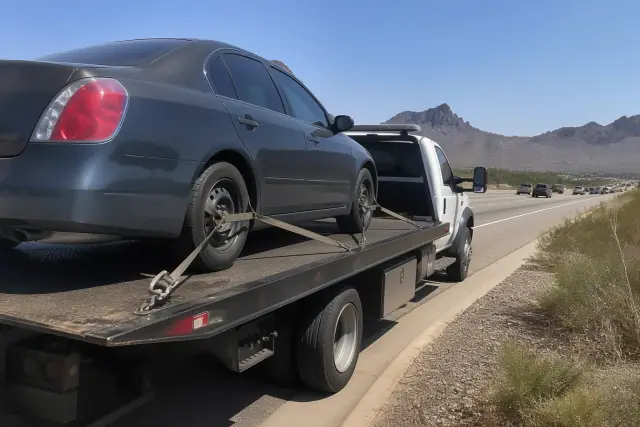
A flatbed truck securing a disabled sedan on a road with desert scrub and mountains in the background in Vail, AZ.

Roadside assistance covers jump starts, non-destructive lockout service, spare-tire changes, and gasoline or diesel delivery. When an on-scene service can safely get the vehicle moving, dispatch may send a roadside unit instead of a tow truck.

Explore Service

Flatbed Towing

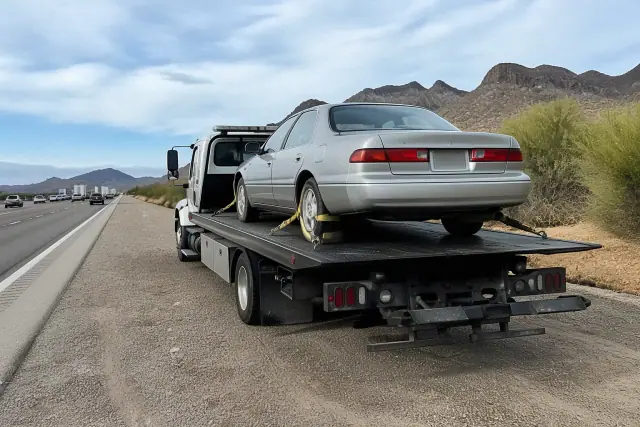
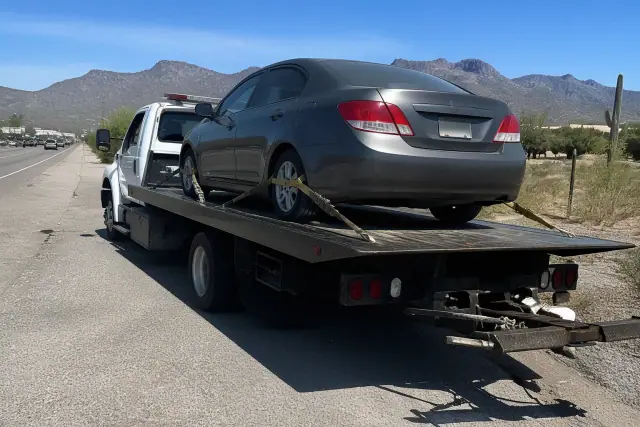
Flatbed tow truck with a disabled sedan secured on the highway shoulder in Vail, AZ with desert mountains in the background.

A hydraulic tilt-bed carries the entire vehicle off the pavement, avoiding unnecessary wheel and drivetrain movement. Flatbed transport is well suited to lowered and all-wheel-drive vehicles, newer cars, classics, and vehicles with existing mechanical or collision damage.

Explore Service

Motorcycle Towing

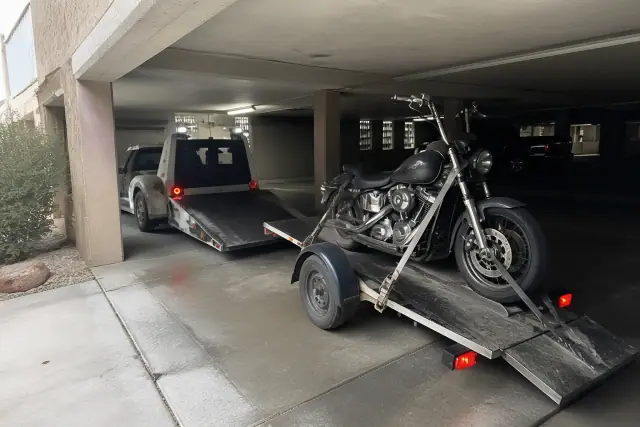
A motorcycle secured on a tilt-bed trailer being towed inside a concrete parking structure in Vail, AZ.

Motorcycles are secured with wheel chocks and bike-specific tie-down points on a flatbed deck, rather than car hooks and straps. Operators handle cruisers, sport bikes, and touring motorcycles while protecting fairings and avoiding unnecessary stress on the forks.

Light Duty Towing

Flatbed tow truck with a secured sedan on the side of a highway in Vail, AZ with desert mountains in the background.

Light-duty towing covers sedans, coupes, small SUVs, and compact trucks. Wheel-lift or flatbed equipment is selected according to drivetrain, ground clearance, condition, and the safest loading method.

Medium Duty Towing

Flatbed tow truck with a secured sedan on a busy road in Vail, AZ, featuring desert vegetation and mountain views.

Medium-duty service is intended for box trucks, larger vans, and dually pickups, including trucks hauling trailers. Before hookup, the operator checks the load, axle weight distribution, frame rails, and safe attachment points.

Heavy Duty Towing

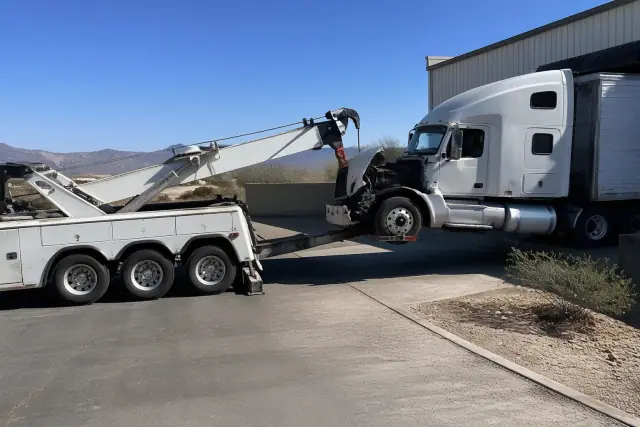
Heavy-duty wrecker truck lifting a semi-truck at a loading dock in the desert landscape of Vail, AZ.

Heavy-duty towing covers semi-trucks, RVs, buses, and commercial equipment traveling through the I-10 corridor. Depending on weight and how the vehicle came to rest, recovery may require a heavy wrecker or rotator, specialized rigging, partial disassembly, or air-cushion techniques.

Accident Recovery

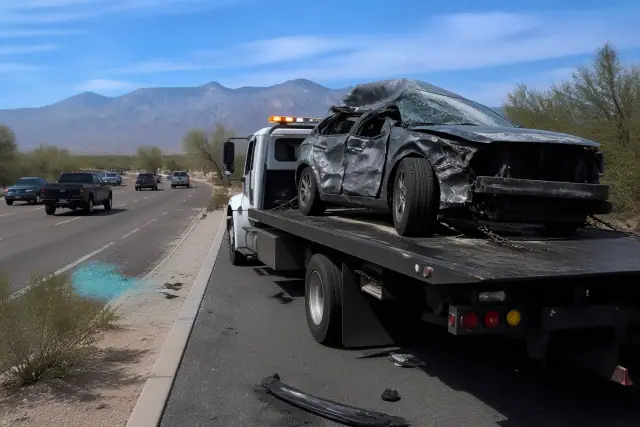
Flatbed tow truck loading a damaged sedan after a road accident in Vail, AZ with the Rincon Mountains in the background.

Accident recovery may include roadside winch-outs, rollover righting, and vehicle removal from washes or ditches. Crews carry rigging, cribbing, and winch equipment for controlled recovery and can coordinate roadway clearance with responding Pima County Sheriff's Department or Arizona Department of Public Safety officers.

Long Distance Towing

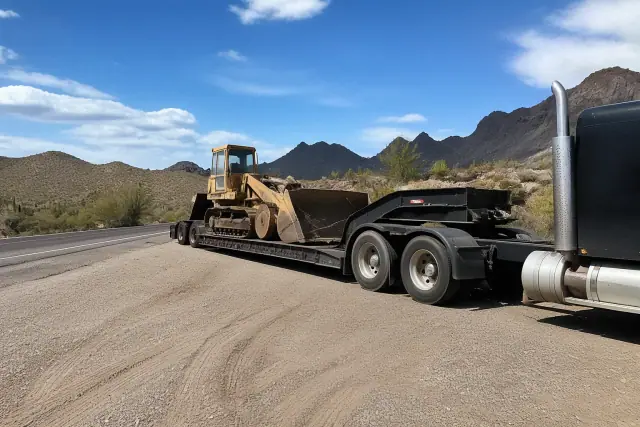
Heavy-duty truck hooked to a long-distance transport trailer with securement chains parked in Vail, AZ.

Long-distance flatbed transport can move a vehicle to a Tucson repair shop, a Phoenix dealership, a specialty mechanic, or an out-of-state destination. Mileage, route, and destination are reviewed in advance so the transport plan and cost structure are clear before departure.

Car Lockout & Jump Start Service

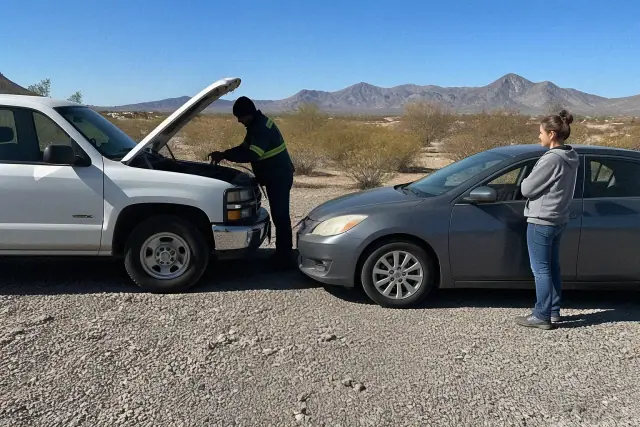
A tow truck technician jump-starting a sedan in a gravel lot in Vail, AZ with mountains in the background.

Non-destructive entry tools can open many older mechanical locks and newer keyless systems without harming locks, seals, or weatherstripping. Jump boxes are carried for a range of battery sizes, from compact sedans to diesel trucks, so a tow may not be necessary when the battery is the only problem.

Choosing Towing Equipment

Choose the Right Towing Response in Vail

Dispatch considers more than the fact that a vehicle will not move. Vehicle weight, drivetrain, ground clearance, surface conditions, damage, recovery angle, and final destination all affect which unit should respond and how the vehicle should be loaded.

Vehicle Size and Weight

A sedan, dually pickup, box truck, RV, and semi-truck require different towing capacities and hookup methods. Accurate vehicle details help dispatch send equipment that can safely manage the load.

Drivetrain and Ground Clearance

All-wheel-drive, lowered, classic, and mechanically damaged vehicles often benefit from full flatbed loading. Drivetrain and clearance checks prevent unnecessary stress while the vehicle is moved and secured.

Roadside Fix or Tow

A dead battery, lockout, empty tank, or usable spare tire may call for roadside assistance rather than transport. If the vehicle remains unsafe or cannot run reliably, dispatch can move it to a home, shop, or dealership.

Road and Terrain Access

Ranch roads, unpaved driveways, gravel shoulders, wash crossings, and decomposed granite can limit where a standard flatbed can travel. Operators assess clearance and ground stability before committing equipment to a rural access route.

Recovery Complexity

A routine shoulder pickup is different from a rollover, a ditch recovery, or a vehicle sunk in soft sand. Recovery angle, vehicle position, visible damage, and available anchor points determine the rigging and winch plan.

Destination and Distance

Confirming the destination before departure helps determine route, mileage, equipment time, and unloading access. This is especially important for long-distance trips and vehicles that require a specialty mechanic or dealership.

Vail Roadside Challenges

Common Vehicle Problems on Vail Roads

Vail grew from 2,484 residents in 2000 to more than 10,208 by the 2010 census, adding commuter and local traffic to a corridor already used by freight and recreational vehicles. High heat, grades, open-range crossings, long distances between services, and rural road surfaces create a distinct mix of roadside calls.

Request Roadside Help

Overheating and Belt Failures

Summer temperatures that regularly exceed 100 degrees add stress to cooling systems, belts, transmissions, and vehicles climbing the I-10 grade from the Tucson basin. If the vehicle cannot cool down and run safely, towing prevents further mechanical strain.

Dead Batteries

Arizona heat accelerates battery wear, making no-start calls common for cars, SUVs, and diesel trucks. A correctly sized jump box may restart the vehicle on scene; if the problem goes beyond the battery, transport can be arranged.

Flat Tires on Rural Roads

Road debris, cattle guards, gravel shoulders, and unpaved access roads can leave a driver with a damaged tire away from a service center. When a usable spare is present, roadside assistance can install it; otherwise the vehicle may need a tow.

Monsoon Washes and Soft Sand

Monsoon runoff from July through September can flood wash crossings and soften sand along Marsh Station Road, Colossal Cave Road, and rural approaches. Vehicles already stranded off the stable roadway may require a controlled winch-out and a careful ground assessment before recovery begins.

Accidents and Rollovers

Open-range livestock, highway traffic, grades, curves, and roadside ditches can turn a collision into a complex recovery. Rollover and flip recovery require controlled rigging, cribbing, winching, and coordination with responding officers when the roadway is affected.

Long Gaps Between Fuel Stops

Long stretches between Vail and the next fuel stop can leave drivers stranded farther from a station than expected. Roadside fuel delivery brings enough gasoline or diesel to reach the nearest station safely without a full tow.

Why Choose Us

Why Choose Tucson Towing Co. in Vail, AZ?

A tow in Vail may involve highway shoulders, ranch access, loose desert surfaces, limited cell coverage, or a long trip to the selected destination. Tucson Towing Co. combines local route knowledge with licensed and insured operators, appropriate equipment, and direct communication about timing, method, and cost.

Local Road Knowledge

Operators familiar with I-10, State Route 83, Colossal Cave Road, Marsh Station Road, and the Rincon foothills can plan access around grades, safe pullouts, washboard roads, and weak cell-coverage areas.

Licensed and Insured Operators

Licensed and insured operators use towing equipment that meets applicable Arizona Department of Transportation standards for commercial towing. Insurance coverage protects the vehicle during transport and supports accountable service.

Clear Pricing and Communication

Quotes are based on distance, vehicle type, service, and recovery complexity, with the cost structure explained before dispatch. If distance, vehicle condition, or recovery work changes the scope, the operator communicates that before proceeding.

Simple Process

Our Vail Towing and Recovery Process

The response begins with precise location and vehicle details, then moves through equipment selection, safety, assessment, secure loading, and delivery. Direct communication at each step keeps the destination and expected cost clear.

01.

Share Your Location and Vehicle

Provide the nearest cross street, mile marker, landmark, or property access point, along with the make, model, vehicle type, and visible problem.

02.

Dispatch the Right Equipment

Dispatch selects a roadside unit, wheel-lift, flatbed, medium-duty truck, or heavy recovery equipment according to the vehicle and situation.

03.

Secure the Scene

On arrival, the operator confirms your safety and moves people away from traffic or another immediate hazard before beginning the vehicle assessment.

04.

Assess the Vehicle and Access

The operator checks drivetrain, clearance, damage, ground stability, recovery angle, and hookup points before selecting a wheel-lift, flatbed, or winch method.

05.

Confirm Cost and Secure the Vehicle

Before transport, the destination and estimate are confirmed, and the vehicle is attached at appropriate tie-down or lifting points for controlled movement.

06.

Transport and Unload

The vehicle is transported to the agreed home, repair shop, dealership, or long-distance destination and unloaded with attention to access and vehicle condition.

Typical Towing Scenarios

How We Handle Common Vail Towing Calls

Case Study 1: Highway breakdown: For an overheating passenger vehicle on I-10, dispatch identifies the vehicle and shoulder location, then sends roadside or light-duty towing equipment based on whether the car can run safely.

Case Study 2: Rural road recovery: For a vehicle off a ranch road or stuck in soft sand, the operator evaluates ground stability, access, recovery angle, and anchor points before rigging a controlled winch-out.

Case Study 3: Long-distance transport: For a damaged or specialty vehicle headed to Tucson, Phoenix, or beyond, flatbed loading keeps the wheels off the road while mileage, route, destination, and unloading access are planned in advance.

Need Help in Vail?

Request Vail
Towing
Service

Tell dispatch where you are, what you are driving, and what happened. Tucson Towing Co. will explain the appropriate response, expected timing, destination details, and cost structure before transport begins.

Vail Towing Help

Emergency Towing FAQs for Vail, AZ

These answers cover towing prices, arrival factors, equipment, roadside services, recovery, and transport destinations. For a call-specific answer, provide dispatch with your exact location, vehicle type, condition, and intended destination.

Call Towing Dispatch

Tow pricing is commonly built from a hook-up fee plus mileage, with national averages running about $2.50 to $7 per mile depending on vehicle type and distance. Tucson Towing Co. quotes the vehicle, pickup location, destination, and any recovery work before dispatch. Heavy-duty and long-distance service generally cost more because they require additional equipment and time.

Arrival time depends on your exact location, current call volume, road conditions, and the truck required for your vehicle. Calls near I-10 may be easier to reach than remote ranch properties off Marsh Station Road or Colossal Cave Road. Share a cross street, mile marker, or landmark so dispatch can give a realistic estimate.

Yes. Emergency towing dispatch operates 24/7, including nights, weekends, and holidays. The dispatcher uses your location, vehicle type, and situation to select the appropriate available unit.

Provide your exact location, nearest cross street or mile marker, vehicle type, visible damage or symptoms, and whether you are safely out of traffic. Also share the intended destination when the vehicle needs transport. Those details help dispatch choose the right equipment and explain the expected cost.

Flatbed towing is often appropriate for lowered, all-wheel-drive, classic, newer, or already damaged vehicles. Loading the entire vehicle onto a hydraulic tilt-bed keeps its wheels off the pavement and avoids unnecessary drivetrain movement. The operator still checks clearance, condition, and safe tie-down points before loading.

Motorcycles are positioned with wheel chocks and secured at suitable tie-down points on a flatbed deck. This method avoids using the car hooks and straps that can scratch fairings or place unnecessary stress on forks. It is suitable for cruisers, sport bikes, and touring motorcycles.

Yes. Light-duty equipment covers sedans, coupes, small SUVs, and compact trucks; medium-duty equipment covers larger vans, box trucks, and dually pickups. Heavy-duty towing is available for semi-trucks, RVs, buses, and commercial equipment, with the unit selected according to weight and recovery conditions.

Roadside assistance includes jump starts, car lockout service, spare-tire changes, and gasoline or diesel delivery. Dispatch may send a roadside unit when one of those services can safely get the vehicle moving. If the problem requires repair or the vehicle remains unsafe to drive, towing can be arranged.

Often, yes. Jump boxes are carried for a range of battery sizes, from compact sedans to diesel trucks, and a successful jump start may get the vehicle moving without transport. If the battery is not the only problem or the vehicle will not run reliably, the operator can recommend towing.

Technicians use non-destructive entry tools intended to open many makes and models without damaging locks, weatherstripping, or window seals. Equipment is available for older mechanical locks and newer keyless systems. The technician assesses the vehicle before choosing an entry method.

Yes. Fuel delivery can bring enough gasoline or diesel to reach the nearest station safely when a driver runs out between stops. Tell dispatch which fuel the vehicle uses and where it is located.

Yes, when the vehicle has a usable spare and can be serviced safely at its location. The technician can install the spare so the driver can leave without a full tow. A damaged wheel, missing spare, unstable shoulder, or other unsafe condition may make towing the better option.

Yes. Recovery work includes vehicles in roadside ditches, desert washes, or soft sand, as well as rollover and flip recovery. The operator evaluates vehicle position, ground stability, damage, rigging points, and roadway conditions before using cribbing, winches, or heavier recovery equipment.

Yes. Long-distance flatbed transport is available for dealerships, specialty mechanics, and other agreed destinations in Tucson, Phoenix, or beyond Arizona. Mileage and route are calculated in advance, and unloading access is confirmed before the truck departs.

Free roadside help is not generally available statewide to every Arizona driver. Limited freeway-assistance patrols may operate on certain urban corridors and schedules, so coverage should be confirmed for your exact location. Drivers outside those programs often use insurance assistance, an auto club, or a paid local towing provider.