Proudly serving Tucson, Oro Valley, Marana, Sahuarita, Green Valley, Vail & surrounding areasCall or Text 24/7: +1 (520) 567-5263

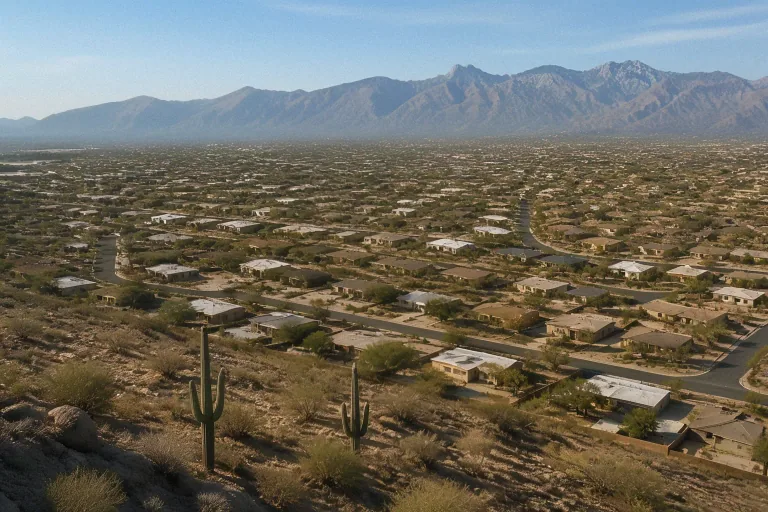
Emergency Towing in Catalina Foothills, AZ for All Vehicle Classes

Tucson Towing Co. provides emergency towing, roadside assistance, and flatbed towing throughout Catalina Foothills. Our fleet supports motorcycles, passenger vehicles, commercial vans, box trucks, RVs, and equipment trailers with light, medium, or heavy duty service. We also handle accident recovery, long-distance transport, lockouts, jump starts, tire changes, and fuel delivery. Each dispatch begins with the vehicle, location, access, and road conditions so the right truck and rigging arrive for the job.

Washboard grades along Sabino Canyon Road, switchbacks feeding Sunrise Drive, and monsoon runoff near Tanque Verde can complicate a routine breakdown. Steep private drives, loose shoulders, low-water crossings, and narrow gated entries also affect which tow truck can reach a vehicle safely. Our local drivers work these foothill routes regularly and plan around access before leaving the yard. That preparation helps protect the stranded driver, the recovery crew, and the vehicle during loading and transport.

Emergency dispatch operates around the clock, including a 2 a.m. stall or a midday roadside problem. Arrival timing depends on the exact location, active call volume, truck availability, and current road conditions.

★ ★ ★ ★ ★4.9/5 Average Rating - 20+ Years of Experience - Catalina Foothills Towing Company Specialists - Residential & Commercial
Towing Services

Complete Towing Services in Catalina Foothills, AZ

Every vehicle problem calls for the right truck, driver skill set, and rigging. We match the response to the vehicle class, drivetrain, damage, destination, and foothill access; drivers traveling across the northwest side can also review our nearby service information for Casas Adobes, AZ .

Emergency Towing

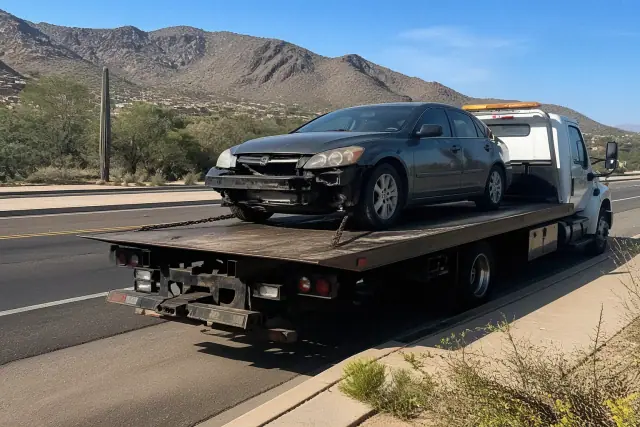
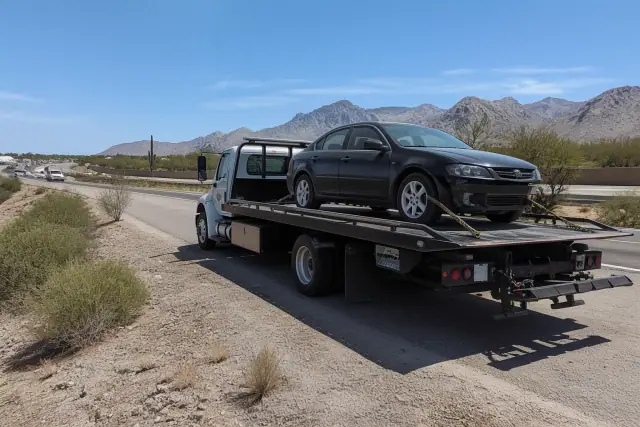
Flatbed tow truck winching a disabled sedan on a highway shoulder in Catalina Foothills, AZ, with desert mountains.

Around-the-clock dispatch covers disabled vehicles and stranded motorists across the foothills. Calls involving roadway hazards or unsafe locations receive priority, while the estimated arrival window reflects access, traffic, and current demand. Explore Service

Explore Service

Roadside Assistance

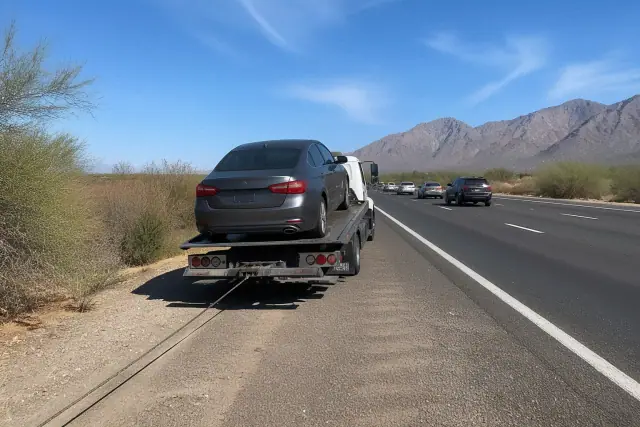
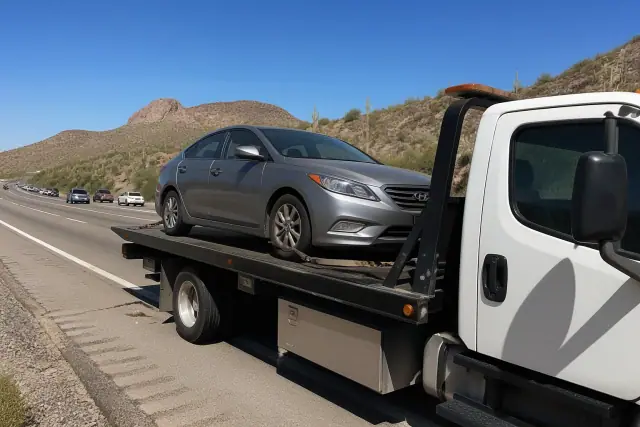
Flatbed truck carrying a disabled sedan on the side of a busy road in Catalina Foothills, AZ with desert landscape.

Flat tire assistance, tire changes, fuel delivery, jump starts, and lockout help can often resolve a breakdown without a tow. The same towing-fleet drivers assess whether the vehicle can safely return to the road or needs transport. Explore Service

Explore Service

Flatbed Towing

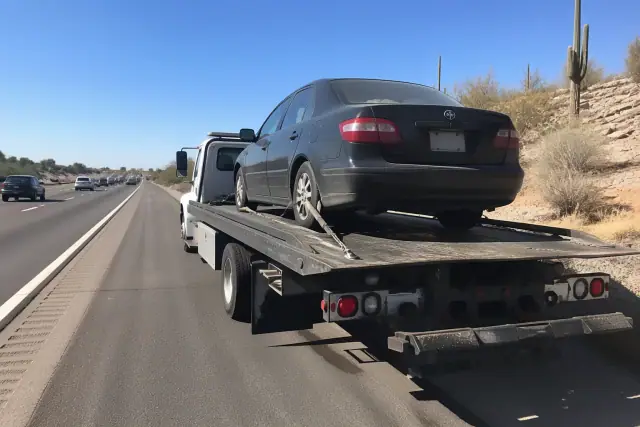
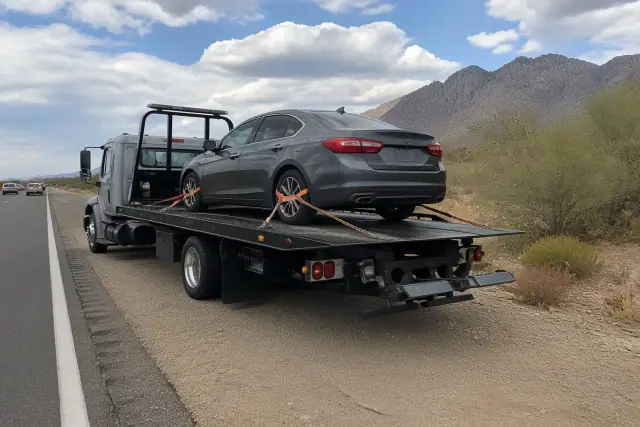
Flatbed tow truck carrying a disabled sedan on a roadside in Catalina Foothills, AZ, with mountain foothills nearby.

Flatbed towing keeps all four wheels off the pavement, an important safeguard for lowered vehicles, AWD drivetrains, newer or luxury cars, and vehicles with front-end or transmission damage. Hydraulic tilt decks and wheel-lift backup rigging help with tight foothill driveways. Explore Service

Explore Service

Motorcycle Towing

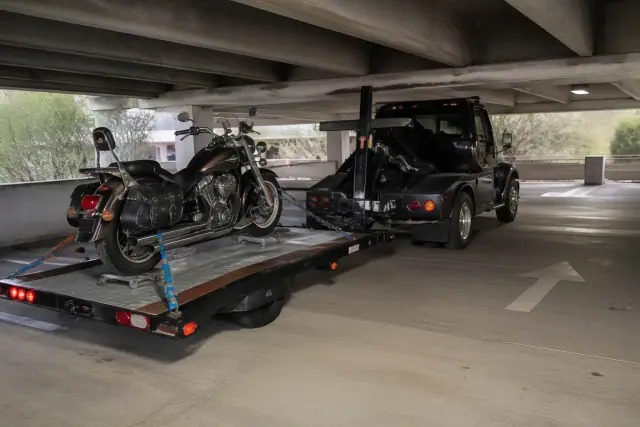
Motorcycle secured with ratchet straps on a trailer in a concrete parking garage in Catalina Foothills, AZ.

Motorcycles travel by flatbed with wheel chocks and soft-tie straps designed to protect fairings, mirrors, and forks. Dedicated rigging is especially important on rough pavement around Tanque Verde and for riders returning from Mount Lemmon with mechanical trouble.

Light Duty Towing

Flatbed tow truck with a secured disabled sedan on a highway shoulder in Catalina Foothills, AZ.

Light duty trucks handle sedans, light trucks, and SUVs, from a dead-battery tow to post-accident transport. Their smaller footprint helps drivers move through neighborhood streets and gated entries that can restrict larger recovery rigs.

Medium Duty Towing

Flatbed tow truck with a secured sedan on a highway shoulder in Catalina Foothills, AZ.

Box trucks, contractor flatbeds, larger passenger vans, and landscaping vehicles need greater axle capacity and bed length than standard light duty equipment. Medium duty towing bridges the gap between passenger-car service and full heavy recovery.

Heavy Duty Towing

Flatbed tow truck with a disabled sedan secured on the side of a highway in Catalina Foothills, AZ.

RVs, box trucks, and dual-axle equipment trailers require a heavy duty rig with suitable air-brake capacity and a recovery winch rated for the load. When a heavy recovery affects traffic on state or county roads, crews coordinate with the Arizona Department of Public Safety and Pima County Sheriff's Department.

Accident Recovery

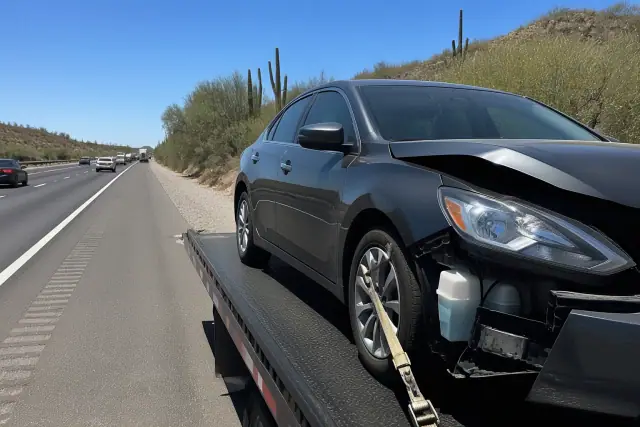
Disabled sedan secured on a flatbed truck on a busy highway in Catalina Foothills, AZ.

Accident recovery can include extraction from ditches, medians, and rollover positions, plus coordination for debris cleanup and fluid containment under Arizona Department of Environmental Quality guidance. Crews work with responding officers and photograph the vehicle's condition before transport.

Long Distance Towing

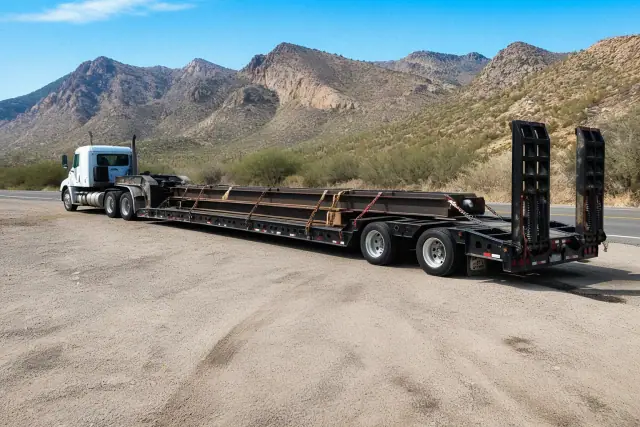
Heavy-duty truck towing a transport trailer at a highway pull-off in Catalina Foothills, AZ, with mountain backdrops.

Long-distance flatbed transport can move a vehicle to a Phoenix dealership, an out-of-state specialty mechanic, or a family destination after a breakdown. Dispatch coordinates the pickup window, sets a realistic delivery timeframe, secures the vehicle for the full haul, and stays in contact during the trip.

Car Lockout & Jump Start Service

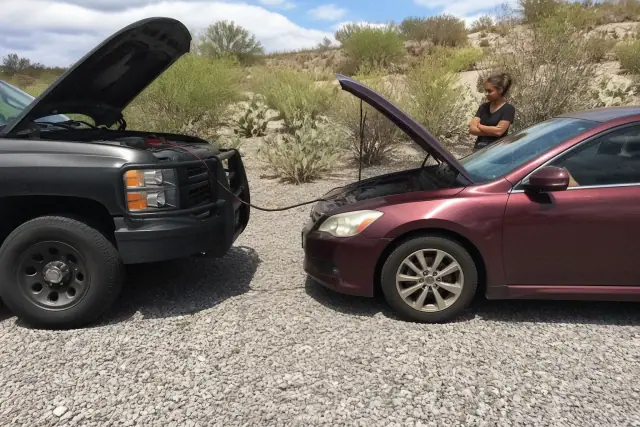
Jump-start service vehicle parked nose-to-nose with a sedan on a gravel lot in Catalina Foothills, AZ.

Non-destructive lockout tools protect modern door seals and trim, while on-scene jump starts address batteries weakened by Arizona heat. Battery calls are among the most requested services from May through September; if the battery will not hold a charge, the driver can discuss the next step.

Truck & Service Selection

How We Match the Right Towing Response

Safe towing begins before the truck leaves the yard. Dispatch considers the vehicle class, drivetrain, damage, destination, terrain, and scene hazards to decide whether the call needs roadside tools, a light or medium truck, heavy recovery equipment, or a flatbed.

Vehicle Class and Weight

Sedans and SUVs typically fit light duty equipment, larger vans and contractor vehicles may need medium duty capacity, and RVs or dual-axle trailers require heavy duty equipment. Sharing the vehicle type at dispatch prevents an undersized truck from arriving.

Drivetrain and Vehicle Condition

AWD drivetrains, lowered clearance, and existing front-end or transmission damage can make flatbed transport the safer choice. Keeping the wheels off the road reduces the chance that towing will add drivetrain or body damage.

Access and Terrain

A gated entry, steep grade, narrow private drive, flooded crossing, or soft shoulder changes the recovery plan. Dispatch records those conditions so the driver can choose a workable route and bring appropriate rigging.

Distance and Destination

The destination may be a nearby repair shop, a home, a dealership, or a specialty mechanic farther away. Distance affects the truck plan, pickup window, delivery estimate, and quote, especially for a full flatbed haul beyond Tucson.

Roadside Fix or Tow

A tire change, fuel delivery, jump start, or non-destructive lockout may get the vehicle moving without transport. If a belt has failed, a warning light indicates reduced power, or the vehicle will not restart, the driver assesses whether a short drive is safe or a tow is needed.

Safety and Scene Conditions

Calls on exposed shoulders or active roads are prioritized by safety risk. Reflective setup, cone patterns, radio check-ins, and coordination with responding officers help control the scene before loading begins.

Catalina Foothills Road Hazards

Common Causes of Stranded Vehicles

More than 50,000 residents are spread across an unincorporated Pima County community shaped by large lots, elevation changes, washes, and long private drives. These conditions can turn an ordinary mechanical problem into a recovery that needs special access planning and equipment.

Request Roadside Help

Steep Private Drives

Grades and tight switchbacks off Sunrise Drive and Skyline Drive can limit truck position and loading angles. A driver needs the address type and access details before choosing the truck and approach.

Flooded Wash Crossings

Summer monsoon runoff can overflow washes and cover low crossings near Sabino Canyon Road and Snyder Road. Water-loaded vehicles, sand, and unstable footing may require winch recovery, careful rigging, and water-removal support rather than a standard roadside hookup.

Loose Shoulders and Washouts

Decomposed granite, gravel washouts, sand, and soft shoulders can leave tires spinning or pull a vehicle toward a ditch. Recovery requires a winch rated for the load and anchor points that will not damage the bumper or frame rail.

Tight Gated Entries

Gated communities and large-lot subdivisions may have narrow entries, call boxes, private-road rules, or turns that restrict larger rigs. Sharing an access code and any driveway limitations helps avoid delays at the gate.

Collision and Rollover Scenes

A vehicle in a ditch, median, or rollover position needs controlled extraction instead of a basic tow. Scene work can also involve responding officers, traffic control, debris cleanup, fluid containment, and condition photos before the vehicle moves.

Battery, Lockout, and Tire Trouble

Arizona heat shortens battery life, while keys locked inside, flat tires, and empty fuel tanks can strand a vehicle anywhere from La Encantada to St. Philip's Plaza. These calls often need roadside tools rather than transport, but a tow remains available when the on-scene fix is not enough.

Why Choose Us

Why Choose Tucson Towing Co. in Catalina Foothills?

Towing professionals work in a hazardous roadside environment: AAA research places the industry's fatality rate at roughly 15 times the average across other industries, while OSHA reports 26 fatal injuries annually in the motor vehicle towing sector nationwide. Local route knowledge, trained operators, suitable equipment, visible scene controls, clear quotes, and documented handling all matter when choosing who will move your vehicle.

Local Road Knowledge

Drivers regularly cover Oracle Road, Campbell Avenue, Ina Road, Sunrise Drive, Skyline Drive, Sabino Canyon Road, and the Catalina Highway approach. Familiarity with trailhead traffic, gated neighborhoods, steep drives, and monsoon detours improves routing before the truck reaches the scene.

Licensed and Insured Operators

Certified tow truck drivers operate insured equipment under the licensing required in Pima County and Arizona. The company stays current with Arizona Revised Statutes Title 28 requirements for consent and non-consent towing, rate disclosure, notification, and private-property signage.

Clear Quotes and Documented Handling

The driver confirms the destination and reviews cost before hooking up, while condition photos record pre-existing damage for insurance-directed or direct-call tows. If improper rigging or handling causes damage during the tow, Tucson Towing Co. addresses it directly.

What to Expect

Our Emergency Towing Process

From the first dispatch questions through delivery, each step is designed to match the truck to the scene, set expectations, protect the vehicle, and transport it to the driver's chosen destination.

01.

Share Your Location and Situation

Dispatch gathers the exact location, vehicle type, current condition, desired destination, and hazards such as a wash crossing, steep grade, narrow drive, or active roadway.

02.

Match the Correct Truck

The call is assigned to light duty, medium duty, heavy duty, or flatbed equipment based on the vehicle, drivetrain, load, damage, access, and terrain.

03.

Receive an Arrival Window

The driver calls or texts an estimated arrival window before departure. The estimate accounts for the route, truck availability, current call volume, traffic, and road conditions.

04.

Review the Scene and Cost

On arrival, the driver assesses the vehicle and surroundings, confirms the tow destination, reviews the cost, and records condition photos when appropriate before attaching rigging.

05.

Secure the Vehicle

The driver uses rigging suited to the drivetrain, weight, condition, and truck type, then verifies tie-downs and scene clearance before moving the vehicle.

06.

Transport to Your Destination

The secured vehicle travels to the chosen repair shop, home, dealership, or long-distance destination, with dispatch contact maintained when the haul extends beyond the local area.

Service Scenarios

Towing Results for Local Drivers and Businesses

Case Study 1: Passenger Vehicle Breakdown: A light duty or flatbed response can navigate neighborhood streets, protect the drivetrain, and move the disabled car to the driver's selected repair shop, home, or dealership.

Case Study 2: Monsoon Recovery: Terrain-aware routing, load-rated winching, and careful anchor selection help recover a vehicle from sand, a soft shoulder, a ditch, or runoff near a low crossing without adding bumper or frame damage.

Case Study 3: Commercial or Long-Distance Transport: Medium duty, heavy duty, or flatbed equipment is matched to the vehicle and destination, with the pickup window, securement plan, cost, and expected delivery timing reviewed before departure.

Need a Tow?

Request Towing
Help in
Catalina Foothills

Tell dispatch where the vehicle is, what you drive, what happened, and where it needs to go. Those details help Tucson Towing Co. match the truck, plan foothill access, and provide cost information before dispatch whenever conditions allow.

Towing & Roadside Help

FAQs About Towing in Catalina Foothills, AZ

These answers cover pricing factors, Arizona towing rules, truck selection, roadside help, recovery conditions, and what to expect when calling for service in Catalina Foothills.

Call Dispatch

Industry pricing data cited in the source shows roughly $35 to $125 for a tow of five miles or less, $125 to $275 for a tow up to 40 miles, and $600 or more for long-distance recovery approaching 100 miles. Actual cost depends on the vehicle class, truck type, mileage, timing, and recovery conditions, so Tucson Towing Co. provides a quote before dispatch whenever possible.

Arizona does not provide a statewide free roadside assistance program for general motorists. Limited freeway service patrol may move disabled vehicles from active travel lanes in certain Phoenix and Tucson corridors, but most drivers use insurance coverage, a paid membership, or a direct-call towing company for roadside repair or towing.

For a non-consent tow, check with the local police department or Pima County Sheriff's Department for the jurisdiction where the vehicle was parked, then provide the plate and last known location. Private-property tow signage should list the operator's contact information; for a direct tow by Tucson Towing Co., dispatch can confirm the vehicle's location and status.

Arizona Revised Statutes Title 28 governs consent and non-consent towing, rate disclosure, and owner-notification timelines. Private-property towing also carries signage, operator-contact, and law-enforcement reporting requirements, so the towing operator and requesting property owner must follow the applicable rules.

Emergency towing cost varies with distance, vehicle weight class, time of day, access, and the equipment required. Medium and heavy duty calls generally cost more than a light duty passenger tow because the truck, fuel, labor, and rigging needs are greater; dispatch provides cost information before sending a truck whenever the situation permits.

The source describes Catalina Foothills as a generally safe unincorporated community in Pima County, while noting that elevation changes, narrow private drives, and wash crossings create driving hazards. Monsoon flash flooding and remote pockets of the foothills can make a breakdown more difficult, especially after dark.

Yes. Tucson Towing Co. runs around-the-clock emergency dispatch for breakdowns and stranded motorists, and same-day towing is standard for most calls. The arrival window still depends on truck availability, the exact location, active demand, traffic, and road conditions.

Flatbed towing is the default recommendation in the source for newer vehicles, luxury cars, lowered vehicles, AWD drivetrains, and vehicles with front-end or transmission damage. Keeping all wheels off the pavement can reduce added drivetrain or body risk during transport.

Flat tire assistance, tire changes, fuel delivery, jump starts, and non-destructive vehicle lockout service can often solve the problem on scene. For reduced power, a failed belt, or a vehicle that will not restart, the driver can assess whether it is safe to drive or needs towing.

Motorcycles are transported on a flatbed with a wheel chock and soft-tie straps. This setup is intended to secure the bike without damaging fairings, mirrors, forks, or other surfaces that standard hook-and-chain equipment could harm.

Light duty service covers most sedans, light trucks, and SUVs. Medium duty equipment fits box trucks, contractor flatbeds, and larger passenger vans, while heavy duty rigs provide the air-brake capacity and load-rated winching needed for RVs, larger box trucks, and dual-axle equipment trailers.

Tucson Towing Co. handles winch-outs and ditch recovery for vehicles stuck in sand, gravel washouts, soft shoulders, and monsoon runoff. The recovery plan depends on safe access, water conditions, vehicle weight, suitable anchor points, and a winch rated for the load; water-removal service is also available for vehicles that have taken on runoff.

Response time depends on the exact address, truck availability, active call volume, traffic, and road conditions. A short map distance can still require climbing, switchbacks, gated access, or a monsoon detour, so the driver calls or texts an estimated arrival window before departure.

Yes. Long-distance flatbed towing can carry a vehicle to a dealership in Phoenix, an out-of-state specialty mechanic, or another chosen destination after a breakdown. Dispatch coordinates the pickup window, provides a realistic delivery timeframe, secures the vehicle for the haul, and remains in contact during the drive.

Share your exact location, vehicle type, current condition, desired destination, and any scene hazards. Mention a gated entry, call-box code, steep grade, flooded crossing, narrow private drive, collision damage, or heavy load so dispatch can select the appropriate truck and rigging.